Neuropathy Balance Problems & Fall Prevention
Helping people with peripheral neuropathy
Every treatment plan is customized based on the cause of your neuropathy, your symptoms and your goals
Patients who complete our programme experience significant clinical improvement
Why Does Peripheral Neuropathy Affect Balance?
When you have peripheral neuropathy, it's not just sensation that changes. Your balance changes too.
One of the least talked about consequences of peripheral neuropathy is what it does to your relationship with the ground beneath your feet. When you can't feel the floor properly, when your balance feels unreliable, and when the fear of falling follows you into every room, independence begins to shrink.
Outings become shorter, stairs become obstacles, activities you once enjoyed start to feel out of reach.
Falls are the leading cause of injury-related hospitalization among older adults in Canada and peripheral neuropathy is a significant contributing factor.
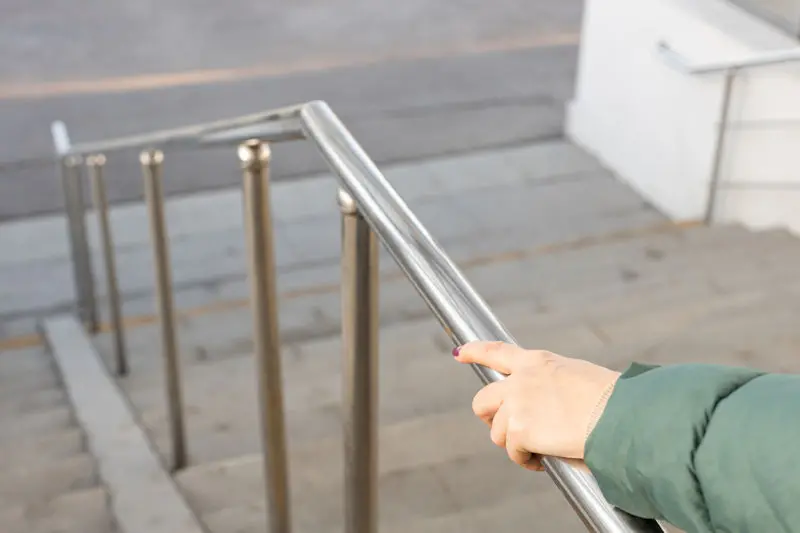
Numbness in the feet disrupts the proprioceptive signals that tell your brain where your body is in space. When those signals become weaker, balance becomes less reliable and the risk of falling increases.
At What's Good - Wellness by Design, improving balance and reducing fall risk are among the most important goals of our peripheral neuropathy programme.
We've seen firsthand how improving nerve function can help people regain confidence, independence, and the freedom to participate in the activities they love.
Signs Your Neuropathy May Be Affecting Your Balance
Common signs include:
• Frequently catching your toes on uneven surfaces
• Looking down at your feet while walking
• Difficulty walking in the dark
• Holding onto furniture or walls for support
• Feeling less confident walking on grass, gravel, or uneven ground
• Walking more slowly than you used to
• Previous falls or near falls
• Fear of falling that causes you to avoid activities
Many people assume these changes are simply part of getting older. While balance naturally changes with age, peripheral neuropathy is one of the most common and treatable causes of balance impairment.
Identifying nerve dysfunction early may help reduce your risk of future falls and preserve your independence.
A Patient Case Study: Nick Gets to do the Sports He Loves

This case study is based on a real patient treated at What's Good - Wellness by Design. The patient's name and identifying details have been changed to protect privacy.
Nick had always stayed active. During the winter, he looked forward to weekly curling with friends. In the summer, he spent his mornings on the lawn bowling green, enjoying the competition and camaraderie that came with the game.
As his peripheral neuropathy progressed, however, his balance became increasingly unreliable.
The numbness in his feet made it difficult to feel where he was placing them, and he no longer trusted himself on the ice. After slipping and falling several times while curling, he made the difficult decision to stop playing altogether. Lawn bowling soon became just as frustrating. Without the confidence to steady himself during his delivery, his game suffered, and eventually he gave that up as well.
During his Comprehensive Consultation and Objective Sensory Assessment at What's Good - Wellness by Design, we identified measurable sensory loss affecting his balance and lower limb function. After determining he was a good candidate for care, we developed a personalized treatment plan combining acupuncture, ATP Resonance Frequency Therapy, functional nutrition, and home-based balance exercises tailored to his individual needs.
Over the following months, Nick began to feel more like himself again. As sensation and balance improved, he felt steadier on his feet and more confident walking on uneven surfaces. Repeat sensory assessments also demonstrated measurable improvements in nerve function throughout his programme. Before long, he returned to lawn bowling and eventually made his way back onto the curling ice, enjoying not only the sports he loved but also the friendships and active lifestyle that came with them.
For Nick, better balance meant avoiding falls, and more importantly, returning to the sports, friendships, and lifestyle he'd almost given up. While every patient's situation is unique and no treatment can guarantee results, improving balance and reducing fall risk can help people regain confidence, independence, and the freedom to participate in the activities they enjoy most.
Our Approach to Improving Balance & Preventing Falls
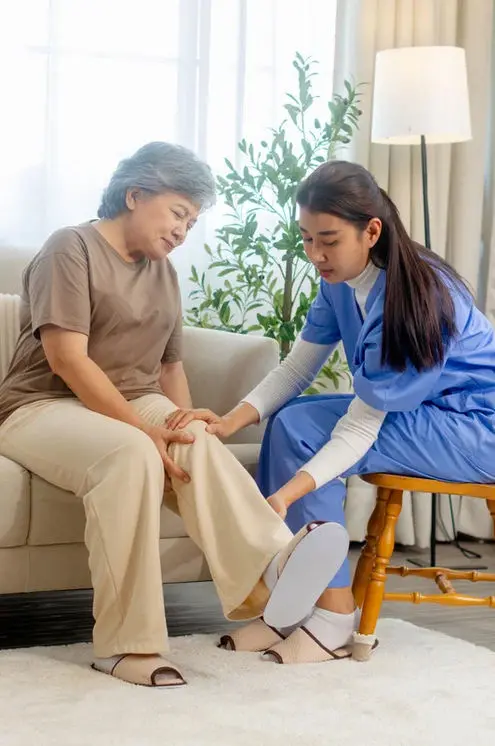
At What's Good - Wellness by Design, our goal is to help you move through life with greater confidence by improving the nerve function that supports balance, reducing your risk of falls, and helping you remain active and independent.
Balance depends on much more than strong muscles. Healthy nerves constantly send information from your feet and legs to your brain about where your body is in space. When those signals become disrupted by peripheral neuropathy, stability suffers. Our approach focuses on improving the quality of those nerve signals while helping you rebuild confidence in your movement.
Every patient begins with a Comprehensive Consultation and Objective Sensory Assessment to evaluate nerve function and determine whether they are likely to benefit from treatment. Our sensory assessment measures how well the nerves in your feet and lower legs are functioning, allowing us to establish a baseline and objectively monitor changes as treatment progresses.
our programme focuses on the factors contributing most to your balance problems, treatment may include acupuncture, ATP Resonance Frequency Therapy, functional nutrition, infrared and photobiomodulation therapy, dry needling, and home-based balance exercises. Rather than focusing only on strengthening muscles, our approach targets the nerve dysfunction contributing to balance problems while also addressing movement patterns and other factors affecting stability.
Throughout your programme, repeat sensory assessments allow us to objectively measure your progress and adjust your treatment plan as needed.
Our comprehensive peripheral neuropathy programme has helped 85% of patients who complete treatment experience meaningful clinical improvement. While every patient's situation is unique and results can never be guaranteed, our goal is to help you recover as fully as possible and regain the activities that chemotherapy-induced neuropathy has taken from you.
Finding the Right Treatment Starts with the Right Assessment
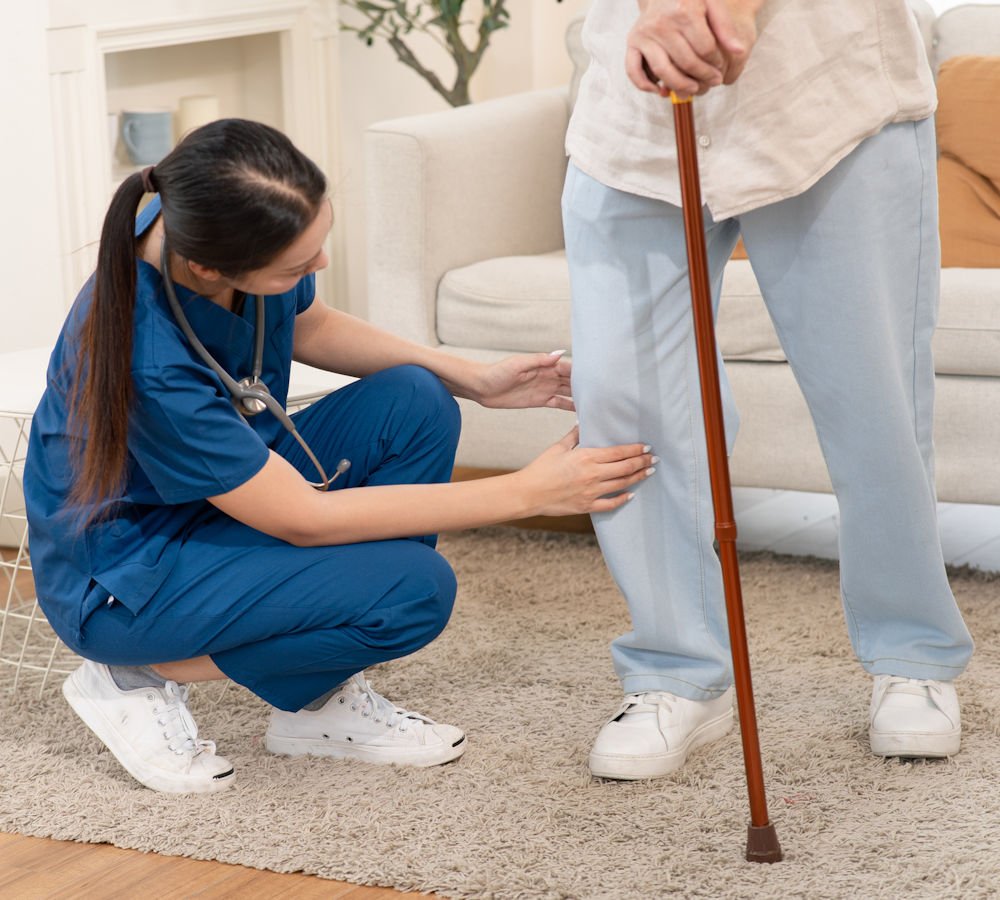
Not every person with peripheral neuropathy experiences balance problems in the same way, and not everyone has the same level of fall risk. The extent of sensory loss, your overall health, how long you've been experiencing symptoms, and your current mobility all influence what improvements may be possible.
That's why every patient at What's Good - Wellness by Design begins with a Comprehensive Consultation and Objective Sensory Assessment before treatment recommendations are made. Our sensory assessment measures how well the nerves in your feet and lower legs are functioning, allowing us to establish a baseline before treatment begins and objectively monitor changes in nerve function throughout your care.
Because reduced sensation is one of the strongest predictors of falls, understanding exactly how your nerves are functioning helps us identify where your greatest challenges lie and how best to support your recovery.
This assessment allows our team to:
&:bull; Understand how your neuropathy is affecting your balance, confidence, and daily activities.
&:bull; Measure the extent of sensory loss and identify areas that may increase your risk of falling.
&:bull; Determine whether you are likely to benefit from treatment.
&:bull; Develop a personalized treatment plan based on your symptoms, goals, and current level of function.
&:bull; Objectively track your progress throughout your programme using repeat sensory assessments.
One of the things that sets our approach apart is our commitment to honesty. If we believe treatment is unlikely to provide meaningful benefit, we'll tell you. If we believe there is potential for improvement, we'll explain what outcomes we believe are realistic and how we'll measure your progress along the way.
Our goal isn't simply to recommend treatment. It's to help you make an informed decision based on objective findings, realistic expectations, and a clear understanding of how improving nerve function may help reduce your risk of falling and restore your confidence.
Frequently Asked Questions
Yes. Healthy nerves in your feet constantly send information to your brain about where your body is in space. This is called proprioception.
When neuropathy damages those nerves, your brain receives less accurate information, making it more difficult to maintain your balance, especially on uneven ground or in low-light conditions.
Not at all. Many of our patients first seek treatment after experiencing a fall or noticing they no longer feel steady on their feet.
While earlier intervention generally leads to better outcomes, functional improvements in balance, confidence, and mobility are still possible for many people
When sensation in your feet is reduced, your brain relies more heavily on vision to maintain balance. In low-light conditions, that visual information becomes limited, making balance problems caused by neuropathy much more noticeable.
Yes. We provide personalized recommendations based on your individual situation. These may include improving lighting, removing trip hazards such as loose rugs, wearing supportive footwear, performing balance exercises and making simple modifications around your home while your nerve function improves.
Balance exercises can certainly help, but they don't address the underlying nerve dysfunction caused by peripheral neuropathy.
Our goal is to improve the quality of the nerve signals reaching your brain while also helping you build strength, confidence, and stability.
We repeat objective sensory assessments throughout your programme to monitor changes in nerve function over time. We also evaluate improvements in your balance, walking confidence, stability, and ability to safely participate in everyday activities.
Acupuncture is covered under many extended health benefit plans, although coverage varies between providers and policies. We recommend checking your individual plan for details
Take the First Step Toward Better Balance
If peripheral neuropathy is affecting your balance, confidence, or ability to stay active, don't wait until another fall changes your life.
The first step is understanding how your nerve function is contributing to your symptoms and whether treatment may help improve your stability and reduce your risk of falling.
During your Comprehensive Consultation and Objective Sensory Assessment, we'll evaluate your nerve function, discuss your balance concerns, and determine whether you're a good candidate for our peripheral neuropathy programme. If treatment is appropriate, we'll explain what improvements may be possible and develop a personalized treatment plan tailored to your individual needs.
Book your Comprehensive Consultation and Objective Sensory Assessment today and discover what's possible.