Peripheral Neuropathy Treatment
Helping people with peripheral neuropathy
Every treatment plan is customized based on the cause of your neuropathy, your symptoms and your goals
Patients who complete our programme experience significant clinical improvement
What Is Neuropathy?
Peripheral neuropathy can make even the simplest parts of everyday life feel uncertain: burning feet that keep you awake at night, numbness that makes walking feel unsafe, tingling that never seems to stop, the fear of falling, and perhaps most frustrating of all, being told to "just live with it."
If this sounds familiar, you're not alone.
Peripheral neuropathy affects millions of people and can develop for many different reasons, including diabetes, chemotherapy, spinal stenosis, autoimmune disease, vitamin deficiencies, hereditary conditions, and sometimes no identifiable cause at all.
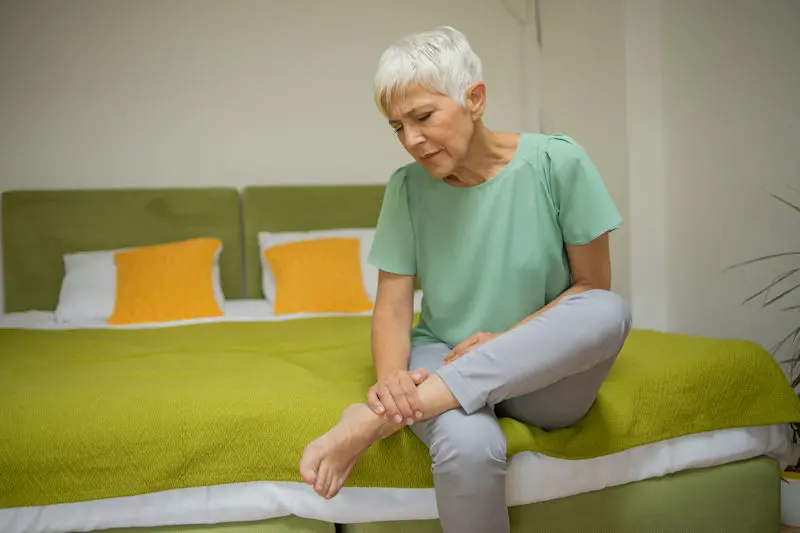
Peripheral neuropathy occurs when the peripheral nerves, the nerves outside the brain and spinal cord, become damaged.
It most commonly affects the hands and feet, causing symptoms such as burning pain, numbness, tingling, muscle weakness, and balance problems that can make everyday activities increasingly difficult.
At What's Good - Wellness by Design, an integrative health clinic in Oakville, Ontario, peripheral neuropathy has been one of our primary clinical focuses for nearly two decades. We combine acupuncture with ATP Resonance Frequency Therapy, dry needling, infrared therapy, photobiomodulation (light therapy), Chinese herbal medicine, functional nutrition, and objective sensory testing to create individualized treatment plans designed to improve nerve function, reduce symptoms and improve quality of life.
Every consultation begins with a Comprehensive Consultation and Objective Sensory Assessment to determine honestly whether you are likely to benefit from treatment and to develop a personalized treatment plan tailored to your unique needs.
Signs & Symptoms of Peripheral Neuropathy
Peripheral neuropathy affects everyone differently, depending on which nerves have been damaged and how advanced the condition has become. Symptoms often begin gradually and typically worsen over time if the underlying nerve damage continues to progress.
Common symptoms include:
• Cold or freezing sensations in the feet
• Tingling or "pins and needles"
• Numbness in the feet, toes, hands or fingers
• Sharp, stabbing or electric shock-like pain
• Increased sensitivity to touch
• Muscle weakness
• Difficulty walking
• Poor balance
• Frequent tripping or falls
• Feet that feel like you're walking on cotton, sand or thick socks
• Symptoms that worsen at night
• Difficulty feeling changes in temperature
As nerve damage progresses, symptoms often change. Many people assume numbness means their condition is improving because the pain has decreased.
Unfortunately, the opposite is often true. Numbness usually indicates that nerve damage has become more advanced, increasing the risk of falls, injuries and wounds that may go unnoticed.
A Daily Struggle, Not Just a Part of Aging

Too often, those diagnosed with peripheral neuropathy are told, "You just have to live with it," or that it's simply part of getting older. But for those experiencing its effects, neuropathy is far more than an inconvenience. It's a daily struggle that can affect every part of life.
Peripheral neuropathy affects far more than your nerves. Everyday activities such as walking the dog, climbing stairs, golfing, gardening, driving, or simply sleeping through the night can become frustrating or even frightening. Many people gradually give up the activities they enjoy because they no longer feel safe or confident.
When pain gives way to numbness, many people assume that's an improvement. It isn't. Numbness means the nerves are so damaged that sensation is being lost. This creates dangerous situations: falls, injuries, wounds that won't heal. That's why we always say: earlier is better, but it's never too late to find out if we can help.
A Patient Case Study: Doris’ Journey From Fear Back to Freedom

This case study is based on a real patient at What's Good - Wellness by Design, all information has been taken from the patient’s file. The name and identifying details have been changed to protect privacy.
Doris, a retired teacher in her early seventies, came to What's Good - Wellness by Design after she had already stopped attending her weekly curling league. The burning pain in her feet had kept her awake most nights for nearly a year, and a fall in her kitchen had left her fearful of losing her independence. Like many people living with peripheral neuropathy, Doris had been told that her neuropathy was simply part of aging and that there was little that could be done.
Following a comprehensive consultation and objective sensory assessment, our team determined that she would benefit from our care. She began a personalized programme combining acupuncture and ATP Resonance Frequency Therapy. Within a few weeks, she was sleeping through the night. By the end of her programme, she had returned to her weekly curling league with greater comfort and confidence.
Doris’ story is not unique. Many of our patients come to us after being told they simply have to learn to live with peripheral neuropathy. While not everyone is a candidate for treatment, many people have more potential for improvement than they have been led to believe.
Understanding the Impact of Peripheral Neuropathy

Katrina Dollano of What’s Good - Wellness by Design in Oakville shares this belief. “I’ve been treating chronic pain and neuropathy, in all its various forms, for nearly two decades and so often my patients come to me because of the symptoms, not because of the diagnosis. They attended one of my talks, saw me on TV, or spoke to one of our patients and say to themselves, ‘hey, I feel the same thing,’” she says.
When asked how this condition impacts daily life, Katrina adds, “It can be devastating. Imagine trying to go about your day when your feet feel like they're on fire or struggling to sleep because of constant burning and tingling. It can even become dangerous. Many patients can’t safely drive because their feet have become so numb. And because of that numbness, they live in constant fear of falling. What’s most heartbreaking is that they’ve been told it’s just a part of getting older, leaving them feeling hopeless.”
Peripheral neuropathy is a result of damage to the nerves which causes pain ranging from discomfort to debilitating. It can be caused by diabetes, chemotherapy, or be due to an unknown cause. Since neuropathy is a degenerative condition, once those nerves begin to deteriorate they will continue to do so until they are completely expired, leaving those suffering with crippling balance issues. “In this case, the absence of pain is not necessarily a good thing," shares Katrina. "This usually indicates that your nerves are hanging on by a fragile thread."
What Type of Neuropathy Do You Have?
Peripheral neuropathy isn't a single condition. It can develop for many different reasons, and understanding the underlying cause is an important part of choosing the most appropriate treatment approach. While symptoms such as burning, tingling, numbness, weakness, and balance problems may feel similar, the factors contributing to nerve damage can vary significantly from one person to the next.

Neuropathy from Spinal Compression
For nerve symptoms related to spinal stenosis, herniated discs, nerve root compression or cervical and lumbar radiculopathy.
Neuropathy & Fall Prevention
For people whose balance, walking, or confidence has been affected by peripheral neuropathy or who have experienced one or more falls.
Finding the Right Treatment Starts with the Right Assessment

Not every case of peripheral neuropathy is the same, and not every patient will benefit from the same treatment approach.
The type of neuropathy you have, the extent of nerve damage, your overall health, and how long you've been experiencing symptoms all play a role in determining what improvements may be possible.
That's why every patient at What's Good - Wellness by Design begins with a comprehensive consultation and objective sensory assessment before treatment recommendations are made.
Our sensory assessment measures how well the nerves in your feet and legs are functioning, allowing us to establish a baseline before treatment begins and objectively monitor changes in nerve function at regular intervals.
This assessment allows our team to:
• Understand the underlying cause of your neuropathy and how it affects your daily life.
• Measure the extent of sensory loss.
• Determine whether you are likely to benefit from treatment.
• Develop a personalized treatment plan based on your specific needs and goals.
• Objectively track your progress throughout your programme.
One of the things that sets our approach apart is our commitment to honesty. If we believe treatment is unlikely to provide meaningful benefit, we'll tell you. If we believe there is potential for improvement, we'll explain what outcomes we believe are realistic and how we'll measure your progress along the way.
Our goal isn't simply to recommend treatment. It's to help you make an informed decision based on objective findings and realistic expectations.
What Makes Our Approach Different
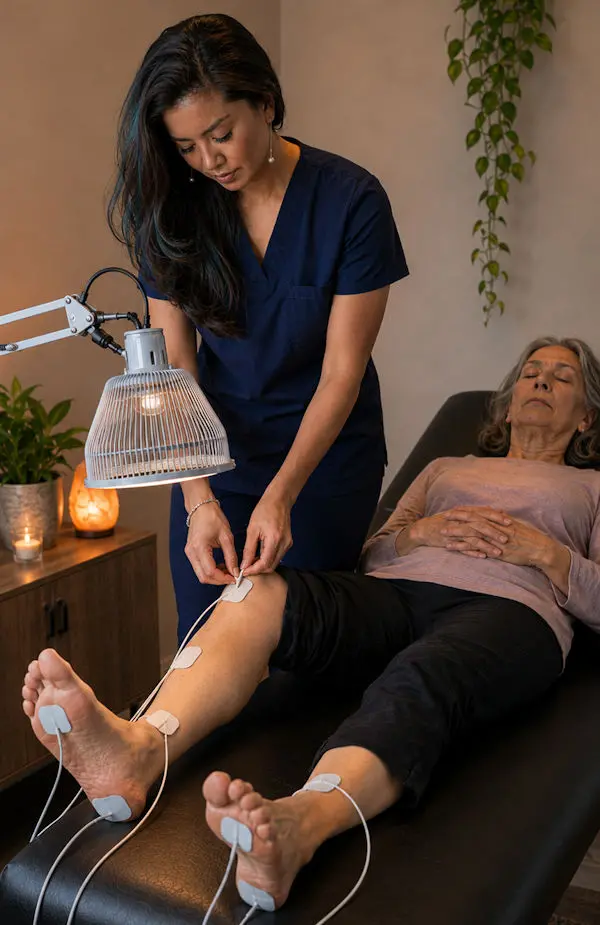
Peripheral neuropathy is one of the primary clinical focuses at What's Good - Wellness by Design.
Over nearly two decades, we’ve developed a comprehensive programme that has helped people living with diabetic neuropathy, chemotherapy-induced peripheral neuropathy (CIPN), idiopathic neuropathy, autoimmune and hereditary neuropathies, and neuropathy related to spinal compression.
Our approach goes beyond symptom management. Treatment is individualized and may include acupuncture, ATP Resonance Frequency Therapy, dry needling, Chinese herbal medicine, functional nutrition, and lifestyle recommendations. Progress is measured throughout treatment so you can objectively see how your nerve function is changing over time.
Based on our internal outcome tracking, 85% of patients who complete our peripheral neuropathy programme experience significant clinical improvement. For some, that means less pain. For others, it means improved sensation, better balance, more restful sleep, or returning to the activities that neuropathy had taken away.
While every patient's situation is unique and results can never be guaranteed, our commitment is to provide honest recommendations, objective outcome tracking, and personalized care every step of the way.
Start with a Comprehensive Consultation & Sensory Assessment
The first step is understanding your neuropathy and determining whether treatment is the right option for you. During your visit, we'll review your medical history, discuss your symptoms and goals, and perform a comprehensive sensory assessment to objectively evaluate your nerve function.
The information gathered during your assessment allows us to determine whether you are likely to benefit from treatment, establish a baseline before care begins, and develop a personalized treatment plan based on your individual needs.
Frequently Asked Questions (FAQ)
For a majority of our patients, it wasn't. Based on our internal outcome tracking, 85% of patients who complete our peripheral neuropathy programme experience significant clinical improvement. The honest answer is that every case is different.
The extent of nerve damage, the underlying cause, and how long you've had symptoms all influence what's possible. That's why every patient begins with a comprehensive consultation and sensory assessment to determine whether treatment is likely to help.
Peripheral neuropathy can develop for many reasons. The most common causes include diabetes, chemotherapy, spinal stenosis and other forms of nerve compression, autoimmune diseases, hereditary conditions, vitamin deficiencies, certain medications, excessive alcohol use, and, in some cases, no identifiable cause at all.
Understanding the underlying cause helps guide treatment recommendations and long-term management.
Symptoms vary depending on which nerves are affected and the severity of the damage.
Common symptoms include burning pain, numbness, tingling, pins and needles, sharp or electric shock-like pain, muscle weakness, loss of balance, increased sensitivity to touch and difficulty walking.
Many people also notice that symptoms become worse at night.
Whether peripheral neuropathy can be reversed depends on its underlying cause, the extent of nerve damage, and how long symptoms have been present.
Some people experience significant improvement, while others achieve better symptom control and improved function rather than complete recovery.
During your comprehensive consultation and sensory assessment, we'll provide an honest opinion about what improvements may be possible in your specific case.
Research suggests that acupuncture may improve blood flow to peripheral nerves, reduce neuroinflammation, and activate biological pathways involved in nerve repair.
At What's Good - Wellness by Design, acupuncture is combined with integrative medicine treatments to improve nerve repair and function.
Every treatment plan is individualized based on your diagnosis, symptoms, and goals.
Unfortunately, no. While pain may lessen as neuropathy progresses, increasing numbness often indicates that nerve damage is becoming more advanced.
Reduced sensation increases the risk of falls, injuries, and wounds that may go unnoticed. Earlier assessment and treatment may help preserve nerve function before further deterioration occurs.
The sooner peripheral neuropathy is assessed, the better. Early treatment may help preserve nerve function before damage becomes more advanced. However, many of our patients have been living with neuropathy for months or even years before seeking care and still see positive changes.
The first step is determining the current state of your nerve health through a comprehensive consultation and sensory assessment.
Treatment recommendations vary depending on the cause, severity, and duration of your neuropathy.
After your initial assessment, we'll explain what we believe is achievable and provide a personalized treatment recommendation.
While every patient responds differently, many begin noticing improvements within the first few weeks of care.
Yes. Although peripheral neuropathy most commonly begins in the feet, it can also affect the hands and fingers.
Symptoms may include numbness, tingling, burning, weakness, or difficulty with fine motor tasks like buttoning up a shirt or threading a needle or knitting. The pattern of symptoms often provides important clues about the underlying cause of the nerve damage.
Not usually. Most patients find acupuncture surprisingly comfortable, and many describe treatments as deeply relaxing.
The needles used in acupuncture are extremely fine, as thin as a hair and are very different from the needles used for injections or blood tests. If you're particularly sensitive or anxious about needles, we'll adapt your treatment to ensure you're as comfortable as possible.
Yes. Our treatments are designed to complement, not replace, the care provided by your family physician, neurologist, endocrinologist, oncologist, or other healthcare providers.
We encourage patients to continue following their medical team's recommendations and will collaborate with them whenever appropriate.
One of the things that sets our approach apart is our use of objective sensory assessments. Your nerve function is measured before treatment begins and reassessed throughout your programme so we can objectively track changes over time.
We also monitor improvements in symptoms such as pain, sensation, balance, sleep, mobility, and overall quality of life.
Take the First Step Toward Better Nerve Health
Living with peripheral neuropathy can be frustrating, unpredictable, and, at times, overwhelming and dangerous. Whether you're dealing with burning pain, numbness, tingling, balance problems or a loss of confidence in your mobility, you don't have to navigate it alone.
The first step isn't committing to treatment. It's understanding your condition. During your comprehensive consultation and sensory assessment, we'll evaluate your nerve function, discuss your symptoms and goals and determine whether you are likely to benefit from our peripheral neuropathy programme.
If treatment is appropriate, we'll explain what improvements may be possible and create a personalized plan tailored to your needs.
If you're ready to learn more about your nerve health and explore your treatment options, we'd welcome the opportunity to help.
Book your Comprehensive Consultation and Sensory Assessment today.