Spinal Stenosis & Nerve Compression Treatment
Helping people with peripheral neuropathy
Every treatment plan is customized based on the cause of your neuropathy, your symptoms and your goals
Patients who complete our programme experience significant clinical improvement
What Is Neuropathy Caused by Nerve Compression?
Not all peripheral neuropathy begins in the peripheral nerves themselves. Sometimes the problem starts where the nerves leave the spine.
Conditions such as spinal stenosis, herniated discs, degenerative disc disease, bone spurs, and foraminal narrowing can place pressure on the spinal nerves as they travel from the spinal cord into the arms or legs. When these nerves become compressed or irritated, they may produce symptoms such as pain, numbness, tingling, weakness, or changes in sensation that closely resemble peripheral neuropathy.

Depending on which nerve is affected, symptoms may develop in the neck, shoulders, arms, hands, lower back, buttocks, legs, or feet. Many people are surprised to learn that numbness in the feet or hands may actually originate from the spine rather than the extremity itself.
At What's Good - Wellness by Design, we assess not only where your symptoms are occurring, but more importantly, where they are coming from. Understanding the source of nerve irritation allows us to develop a treatment plan that complements your existing medical care while addressing the symptoms affecting your everyday life.
Signs & Symptoms of Neuropathy Caused by Nerve Compression
Symptoms vary depending on which nerve or nerve root is affected, but they often follow a predictable pattern along the path of the compressed nerve.
Common symptoms include:
• Tingling or "pins and needles"
• Numbness in the hands, fingers, feet, or toes
• Muscle weakness
• Reduced grip strength
• Foot drop
• Pain that worsens with standing or walking
• Neck or lower back pain
• Reduced balance
• Difficulty climbing stairs
• Changes in reflexes
Many people also notice that everyday activities become increasingly difficult. Walking long distances, carrying groceries, standing in the kitchen, driving, working at a computer, or sleeping comfortably may all become challenging when compressed nerves interfere with normal nerve signalling.
Why Does Nerve Compression Cause Neuropathy?
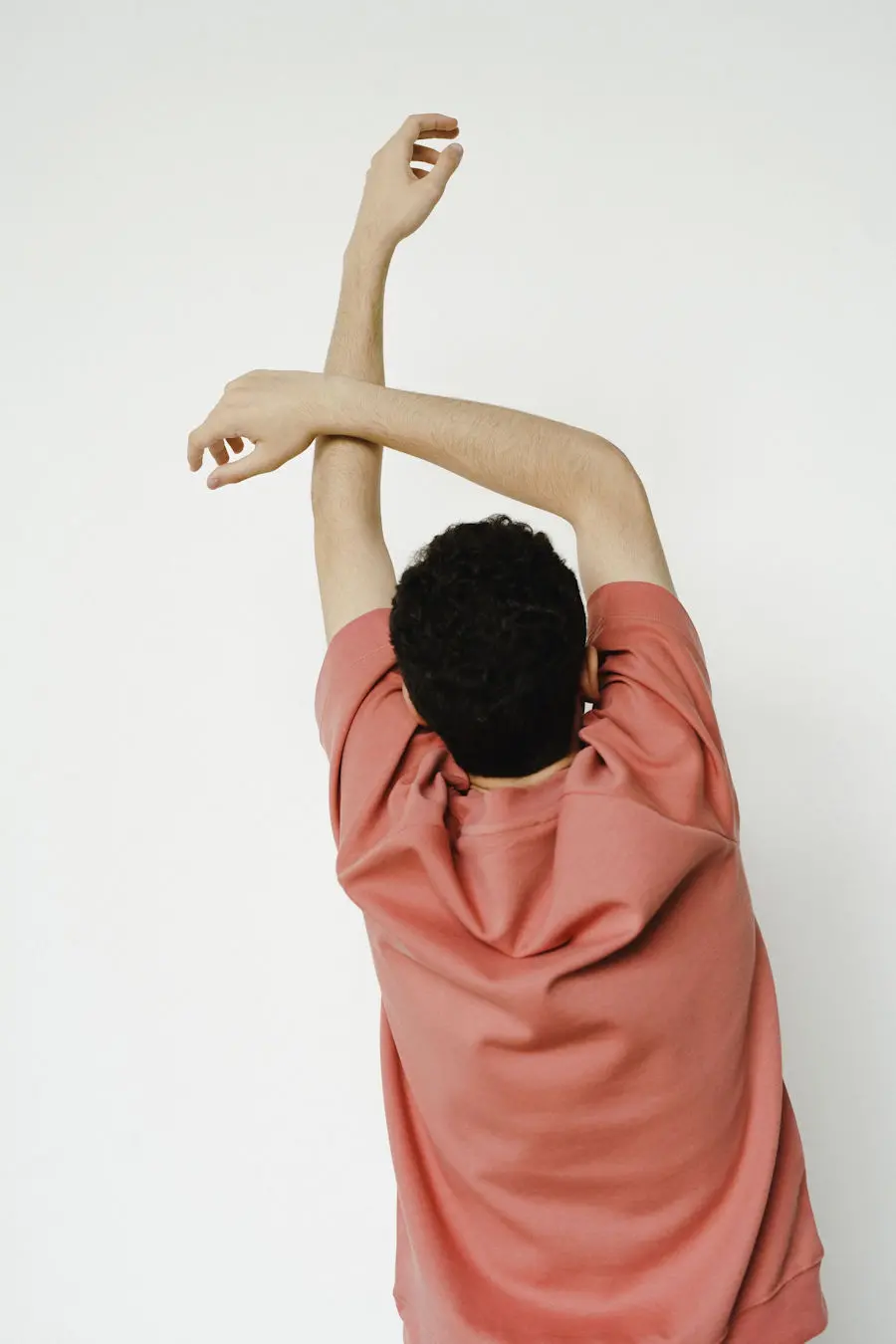
Peripheral nerves begin in the spinal cord before travelling throughout the body. When one of these nerve roots becomes compressed, irritated, or inflamed as it exits the spine, the messages travelling through that nerve become disrupted.
This is why a problem in your neck can produce numbness or weakness in your hand, while compression in your lower back can cause burning, tingling, or numbness in your leg or foot.
Conditions such as spinal stenosis, herniated discs, degenerative arthritis, bone spurs, and thickened spinal ligaments can all reduce the space available for the nerves, creating mechanical pressure and inflammation that interfere with normal nerve function.
Many of the people we see have been told they simply have "arthritis in their back." While arthritis is often part of the picture, it's often the pressure on the nerves that causes the numbness, tingling, weakness, and changes in sensation they're experiencing.
Although imaging studies such as MRI can identify structural changes, the severity of those findings doesn't always match the severity of a person's symptoms. Some people with significant spinal degeneration have very little pain, while others with relatively mild imaging findings experience substantial nerve symptoms. This is why we consider both your imaging findings and your clinical presentation when developing your treatment plan.
Patient Case Study: Jim Gets Back to Being the Family Grill Master

This case study is based on a real patient treated at What's Good - Wellness by Design. The patient's name and identifying details have been changed to protect privacy.
Jim had always been the one behind the barbecue. Family gatherings revolved around his famous summer cookouts, and one of his greatest joys was spending weekends watching his grandchildren play hockey and football. As his cervical and lumbar spinal stenosis progressed, however, those traditions became increasingly difficult to maintain.
Persistent neck and lower back pain, weakness in his hands and legs, and difficulty standing or walking gradually took away the activities he loved most. He could no longer stand at the barbecue for more than a few minutes without severe pain, making it impossible to prepare meals for his family. Sitting through his grandchildren's sporting events became equally challenging, and he often left early because the discomfort was simply too much. Eventually, he began declining family gatherings altogether. After one frightening incident in which he lost his balance and fell against his barbecue, fortunately without serious injury, Jim realized his condition was affecting more than just his comfort. It was affecting his independence and his ability to participate in family life.
Because Jim had a pacemaker, advanced imaging options were limited, and surgery was not considered an option in his case. He had resigned himself to the belief that he would simply have to live with his symptoms.
During his Comprehensive Consultation and Objective Sensory Assessment at What's Good - Wellness by Design, we evaluated how his cervical and lumbar nerve compression was affecting his function. Our examination identified significant nerve dysfunction consistent with involvement of the lower cervical and lower lumbar nerve distributions. After we determined that Jim would likely benefit from our care, we developed a personalized treatment plan combining acupuncture, ATP Resonance Frequency Therapy, dry needling, functional nutrition, and lifestyle recommendations.
Over the following months, Jim saw real change in how he was feeling and moving. He was able to stand for longer periods with less discomfort, walk farther with greater confidence, and gradually return to the activities he had been missing. One of his proudest moments came during a family reunion trip, when he was able to keep up with his children and grandchildren on outings that he once thought would be impossible. He also returned to doing what he loved most: standing at the barbecue and bringing his family together again.
For Jim, standing behind the barbecue once again wasn't just about cooking. It was about getting his place back at the center of family gatherings. Jim's story reflects what we see in many people living with spinal stenosis and nerve compression. While every patient's situation is unique and no treatment can guarantee results, reducing pain and improving function can help people regain confidence and return to the activities that make life meaningful.
Our Approach to Treating Nerve Compression

At What's Good - Wellness by Design, our goal is to do more than simply reduce pain. We aim to relieve pressure on irritated nerves where possible, improve nerve function, restore mobility, and help you return to the activities you enjoy.
Our approach doesn't focus solely on the area where the nerve is compressed. We also address the downstream effects of nerve irritation, including pain, numbness, weakness, and reduced mobility, helping you move with greater confidence and comfort.
Every patient begins with a Comprehensive Consultation and Objective Sensory Assessment to evaluate nerve function and determine whether you are likely to benefit from treatment. We also review your imaging studies, medical history, movement patterns, and symptoms to understand how spinal compression is affecting your daily life.
Treatment is tailored to the location and severity of the nerve compression, treatment may include acupuncture, dry needling, ATP Resonance Frequency Therapy, infrared and photobiomodulation therapy, functional nutrition, and lifestyle recommendations. Rather than relying on a single treatment, we combine evidence-informed therapies that work together to reduce pain, decrease inflammation, improve mobility, and support healthy nerve function.
Throughout your programme, we repeat objective sensory assessments to monitor changes in nerve function over time. This allows us to objectively measure your progress, adjust your treatment plan as needed, and ensure your care continues to align with your goals.
Our comprehensive peripheral neuropathy programme has helped 85% of patients who complete treatment experience meaningful clinical improvement. While every patient's situation is unique and results can never be guaranteed, we'll explain what improvements we believe are realistic based on your assessment and monitor your progress objectively over time.
Finding the Right Treatment Starts with the Right Assessment
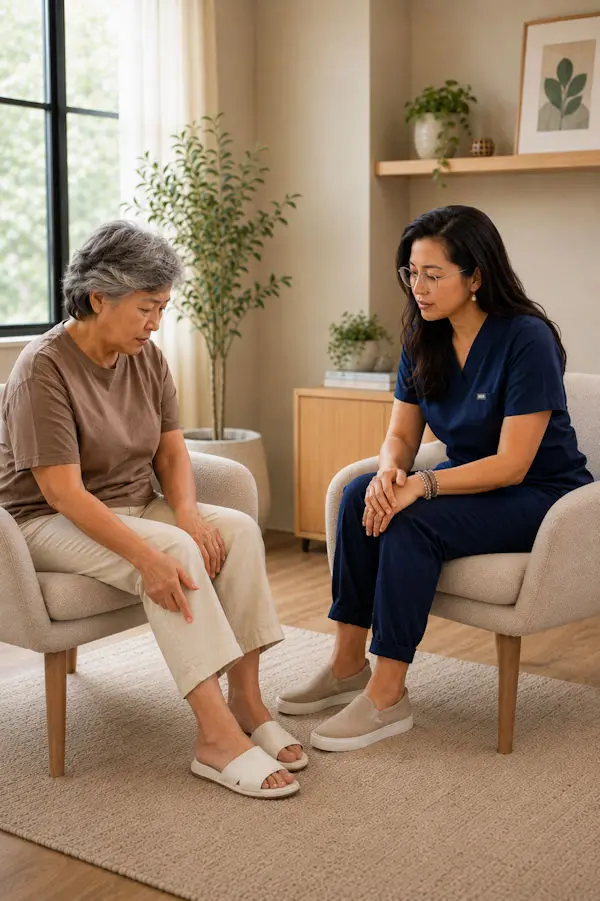
Not every case of nerve compression is the same, and not every patient will benefit from the same treatment approach. The location of the compression, the severity of nerve involvement, your overall health, and how long you've been experiencing symptoms all influence what improvements may be possible.
That's why every patient at What's Good - Wellness by Design begins with a Comprehensive Consultation and Objective Sensory Assessment before treatment recommendations are made. We also review any relevant imaging reports, specialist findings, and your medical history to understand how the compressed nerve is affecting your function and quality of life.
Our sensory assessment measures how well the nerves in your arms, hands, legs, or feet are functioning, depending on where your symptoms are occurring. This allows us to establish a baseline before treatment begins and objectively monitor changes in nerve function throughout your programme.
This assessment allows our team to:
• Understand how your nerve compression is affecting your daily life.
• Measure the extent of sensory loss and nerve dysfunction.
• Determine whether you are likely to benefit from treatment.
• Develop a personalized treatment plan based on your diagnosis, symptoms, and goals.
• Objectively track your progress at regular intervals
One of the things that sets our approach apart is our commitment to honesty. If we believe treatment is unlikely to provide meaningful benefit, we'll tell you. If we believe there is potential for improvement, we'll explain what outcomes we believe are realistic and how we'll measure your progress along the way.
Our goal isn't simply to recommend treatment. It's to help you make an informed decision based on objective findings, realistic expectations, and a clear understanding of the treatment options available to you.
Frequently Asked Questions
Acupuncture cannot reverse structural changes such as spinal stenosis or a herniated disc. However, it may help reduce pain, decrease inflammation, improve mobility, and support healthy nerve function.
Many patients experience meaningful improvements in their symptoms and quality of life, particularly when acupuncture is combined with other integrative therapies as part of a comprehensive treatment plan.
We are not in a position to recommend avoiding or delaying surgery, and we encourage you to follow the advice of your surgeon or specialist. However, many patients seek care before surgery, while waiting for surgery, or during their recovery afterwards.
Our goal is to complement your existing medical care by helping reduce pain, improve function, and support your recovery.
Both conditions can compress or irritate spinal nerves, but they do so in different ways. A herniated disc occurs when part of the spinal disc bulges or ruptures and presses on a nearby nerve.
Spinal stenosis is a narrowing of the spaces within the spine that places pressure on the nerves as they travel through the spinal canal. Both conditions can cause pain, numbness, tingling, or weakness in the arms or legs.
Yes. Cervical radiculopathy refers to nerve compression in the neck that may cause symptoms in the shoulders, arms, or hands. Lumbar radiculopathy affects the lower back and may cause symptoms in the buttocks, legs, or feet.
During your assessment, we'll determine how the affected nerves are contributing to your symptoms and develop a treatment plan tailored to your needs.
Yes. Although spinal stenosis begins in the spine, compression of the nerves that travel into the legs can cause numbness, tingling, burning, weakness, or changes in sensation in the feet.
During your assessment, we'll determine whether your symptoms are consistent with nerve compression or another form of peripheral neuropathy.
No. Our care is designed to complement the treatment you're already receiving. Many of our patients continue working with their family physician, neurologist, neurosurgeon, physiotherapist, chiropractor, or massage therapist while undergoing treatment at What's Good - Wellness by Design.
We repeat objective sensory assessments throughout your programme to monitor changes in nerve function over time. We also evaluate improvements in pain, sensation, strength, balance, walking tolerance, standing tolerance, and your ability to return to the activities that matter most to you.
Acupuncture is covered under many extended health benefit plans, although coverage varies between providers and policies. We recommend checking your individual plan for details
Take the First Step Toward Better Nerve Health
Living with spinal stenosis or nerve compression doesn't mean you have to accept ongoing pain, numbness, weakness, or loss of mobility as your new normal.
The first step is understanding how your condition is affecting your daily life and whether you are likely to benefit from treatment.
During your Comprehensive Consultation and Objective Sensory Assessment, we'll evaluate your nerve function, review your imaging and medical history, and determine whether our programme is appropriate for your individual situation. If so, we'll explain the outcomes we believe are realistic and develop a personalized treatment plan tailored to your needs.
Book your Comprehensive Consultation and Objective Sensory Assessment today and discover what's possible.